AVATAR | Avatar, the Film James Cameron’s production company, Lightstorm Entertainment, developed a new motion picture production process to create the groundbreaking sci-fi epic, Avatar. They combined live action 3D and computer-generated, photo-real visual effects to set an immersive story of heroism against a pallet of extraterrestrial landscapes. View Now Read About Avatar & Autodesk In the News |
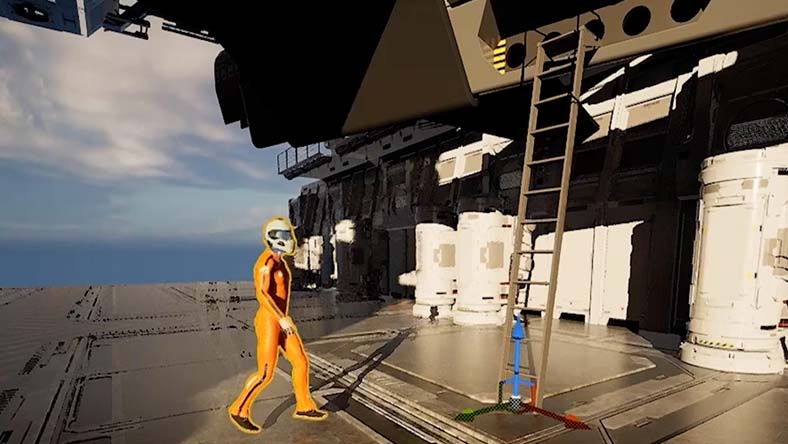
| Avatar, the Game Developed by Ubisoft, Avatar is a third-person adventure game with its own storyline. It can be played with stereoscopic 3D (S3D) display, underscoring the look and feel of Cameron’s sci-fi blockbuster. View Now |
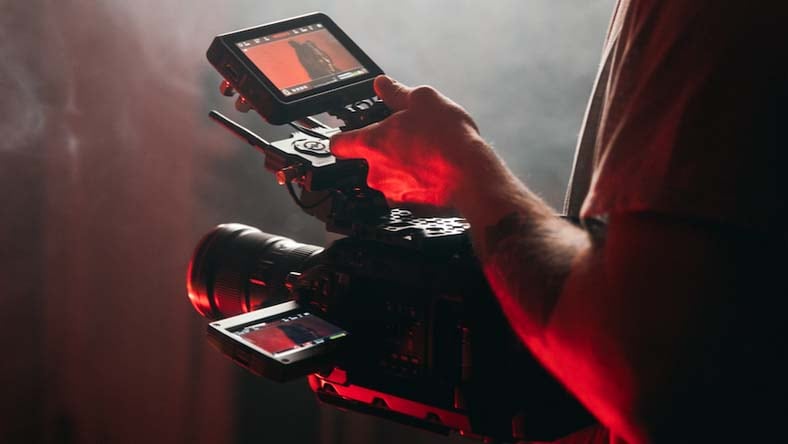
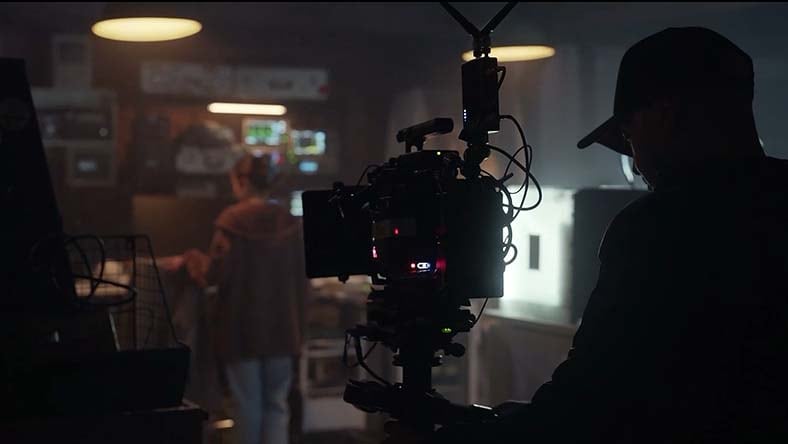
Avatar Revolutionizes Sci-Fi with Immersive 3D Storytelling and GameplayAvatar takes audiences to a spectacular new 3D world beyond our imagination, where a reluctant hero embarks on a journey of redemption and discovery as he leads a heroic battle to save a civilization. The film has also inspired an Avatar videogame, an imaginative third-person adventure. James Cameron and his production company, Lightstorm Entertainment, pioneered a new method for making visual effects movies with advanced virtual cinematography techniques. Using Autodesk Digital Entertainment Creation (DEC) tools, Autodesk® MotionBuilder® and Autodesk® Maya® software, the team created a virtual stage or “volume” in which they could capture actors’ performances and apply them directly to computer graphics (CG) characters, while viewing the results in real-time. This unique soundstage gave Cameron the ability to direct a high quality CG performance as if it were live action. The movie sets a new standard in stereoscopic 3D (S3D) production, creating a compelling story that is told as much in 3-dimensional space as it is in time, drawing audiences deeper into the movie experience. Lightstorm refined the performance capture techniques and enlisted a number of visual effects powerhouses to apply them to high resolution Maya models to create realistic, believable animated characters that overcome the “uncanny valley.” Cameron envisioned Avatar to be as much an S3D game as a movie, broadening the immersive nature of the story. Who better to turn to than Ubisoft, a company that shares a common vision about converging film and game into an integrated entertainment experience. Cameron and Lightstorm Entertainment are ushering in a new era of virtual moviemaking that allows the director to exercise as much creative influence over the actors’ performance in the CG world as in the real one. Autodesk Customers and ToolsFourteen visual effects facilities—all Autodesk customers—worked on Avatar: - Blur Studio
- BUF
- Framestore
- Hybride
- Hydraulx Visual Effects
- Industrial Light & Magic
- Lola VFX
- Look Effects
- Pixel Liberation Front
- Prime Focus
- Spy
- Stan Winston
- The Third Floor
- Weta Digital
These Autodesk DEC solutions were used in the making of Avatar: Maya, MotionBuilder, Autodesk® Mudbox™, Autdoesk® Softimage®, Autodesk® 3ds Max®, and Autodesk® Flame® software. Read About Avatar & Autodesk in the News The New Art of Virtual Moviemaking Whitepaper Learn how filmmakers are using the latest Digital Entertainment Creation technologies to push the creative boundaries of entertainment. Academy Award is a registered trademark of the Academy of Motion Picture Arts and Sciences. |